Recognising Your Pet's Health Concerns
Common Health Issues in Pets

SEE THE PHOTO COMPETITION WINNERS BELOW 👇
The most common problems vets see every day in pets.
Even the best pet owners need guidance on what issues might occur, so here are the most common issues to watch out for.
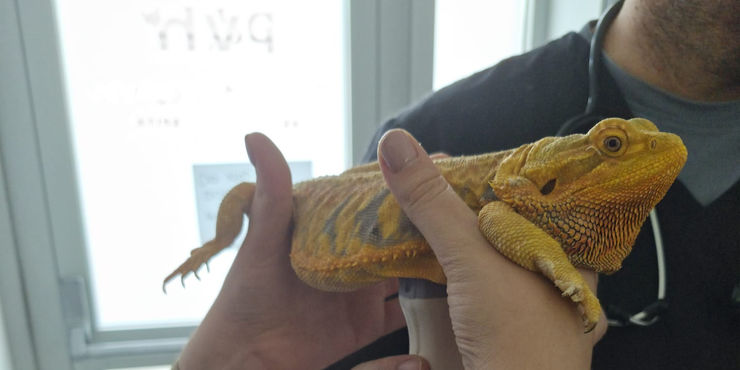
🐍 Reptiles The most common health problems in pet reptiles are often linked to incorrect heat, UVB lighting, humidity, diet or hygiene.
Metabolic bone disease (MBD): calcium or vitamin D₃ deficiency, often caused by poor diet or inadequate UVB. Signs include soft or deformed bones, tremors, weakness and difficulty moving.
Respiratory: wheezing, nasal discharge, open-mouth breathing or laboured breathing.
Parasites: intestinal worms and mites.
Mouth: swelling, redness, pus or yellow material around the mouth.
Incomplete or stuck shed: commonly caused by unsuitable humidity, dehydration or poor health.
Digestive: constipation or blockage, often associated with unsuitable substrate, dehydration, low temperatures or inappropriate feeding.
Dehydration and malnutrition: weight loss, sunken eyes, weakness and abnormal shedding.
Skin infections, burns and injuries: often caused by dirty habitats, sharp décor or heat sources.
Egg-binding in females: a potentially serious reproductive emergency.
Dogs
Skin allergies: Cause itching, redness, licking and infections. Treatment may include parasite control, diet or medication changes.
Dental disease: Plaque and tartar can cause painful gums, bad breath and tooth loss. Regular brushing or professional cleaning helps prevent it.
Ear infections: You may notice head-shaking, scratching, redness or odour. The ears need examination because treatment depends on the cause.
Digestive: Vomiting or diarrhoea may result from dietary changes, parasites or illness. Persistent symptoms, blood or lethargy require veterinary attention.
Obesity: Excess weight can increase the risk of diabetes, arthritis and heart disease.
Arthritis: Causes stiffness and slower movement (leading to less exercise - and fun).
Parasites: Fleas, ticks and worms can cause itching, anaemia or digestive problems. Preventative treatment is important.
Heart disease: May cause coughing, weakness or breathing difficulty. Early veterinary assessment can help manage it.
Injuries: Cuts, bites, sprains and fractures can happen during exercise or fights. Serious bleeding, swelling or inability to bear weight needs urgent care.

Cats
Dental: We see gum inflammation and difficulty eating. Brushing or vet dentals can reduce the risk of disease.
Urinary problems: Straining or blood in the urine may indicate cystitis or blockage. A male cat unable to urinate needs emergency treatment.
Kidney disease: Increased drinking, urination, weight loss or poor appetite. Blood and urine tests help diagnose and monitor it.
Fleas and worms: These can cause itching, skin irritation, anaemia or digestive problems. Use a monthly parasite treatment recommended for cats.
Obesity: Increases the risk of diabetes and arthritis.
Vomiting and diarrhoea: Repeated symptoms, blood, dehydration or weakness require veterinary advice.
Arthritis: Reduced jumping, stiffness or avoiding stairs. Pain relief can help.
Respiratory infections: Sneezing, nasal discharge and eye problems are common. Supportive care may be enough, but breathing difficulty is urgent.
Abscesses: Wounds can become swollen, painful and infected. Veterinary treatment may require drainage and antibiotics.
Hyperthyroidism: Usually in older cats and can cause weight loss despite a good appetite, restlessness and increased thirst.

Rabbits
Dental disease: Teeth grow continuously and can overgrow or develop painful spurs. A high-fibre hay diet and regular dental checks are essential.
Gastrointestinal stasis: Reduced appetite, fewer droppings and quiet behaviour may indicate a dangerous slowdown of the gut. This requires urgent veterinary treatment.
Respiratory infections: Sneezing, nasal discharge and noisy breathing may be caused by bacterial infection or dental disease. A rabbit struggling to breathe needs emergency care.
Flystrike: Flies lay eggs on damp or dirty fur, and the larvae can cause life-threatening damage. Keep their enclosure clean and check the rabbit daily, especially in warm weather.
Parasites: Ear mites, fur mites and intestinal parasites can cause itching, scabs, head-shaking or diarrhoea. Treatment should be prescribed for rabbits specifically.
Urinary problems: Sludge, stones or infection may cause straining, blood or thick urine.
Sore hocks: Hair loss, redness or wounds on the feet are often caused by hard, damp or dirty flooring. Softer bedding and treatment of infection can help.
Obesity: Excess weight makes grooming difficult and increases the risk of flystrike and joint problems.
Uterine disease: Unspayed female rabbits have a high risk of uterine cancer and other reproductive problems. Neutering is often recommended.
Injuries: Rabbits have fragile spines and can injure easily. Handle them carefully and seek veterinary help after a fall or accident.

Birds
Respiratory disease: Tail-bobbing, wheezing, discharge or open-mouth breathing can indicate serious illness. Birds with breathing difficulty need urgent veterinary care.
Poor nutrition: Seed-only diets can cause obesity and vitamin deficiencies. A species-appropriate pellet-based diet with suitable fresh foods is usually healthier.
Feather-plucking: May result from stress, parasites, pain, boredom or disease. The underlying cause must be identified rather than treating only the feathers.
Egg-binding: A female may strain, sit low or appear weak when an egg cannot be passed. This is an emergency.
Overgrown beak or nails: May indicate poor wear, diet problems or underlying disease. Trimming should be done safely by an experienced professional.
Parasites: Mites and other parasites can cause itching, scabs, feather damage or breathing problems. Veterinary diagnosis is needed before treatment.
Trauma and poisoning: Birds can be harmed by fumes, toxic foods, open windows, fans or other pets.

Guinea pigs, hamsters and other small pets
Dental disease: Overgrown teeth can cause drooling, weight loss and difficulty eating. Constant access to good-quality hay and veterinary checks are important.
Respiratory infections: Sneezing, discharge and laboured breathing can become serious quickly. Keep the enclosure clean and seek veterinary treatment.
Vitamin C deficiency: Can cause weakness, swollen joints and poor healing. Guinea pigs need a reliable dietary source of vitamin C.
Skin mites and fungal infections: Hair loss, itching and crusts are common signs. Treatment must be prescribed because some products are toxic to guinea pigs.
Digestive problems: Reduced eating or fewer droppings can become dangerous. Prompt veterinary attention is needed.
Bumblefoot: Inflamed or sore feet may result from dirty, rough or unsuitable flooring. Clean, soft bedding and treatment of infection are important.

Ferrets
Insulinoma: A common pancreatic tumour that causes low blood sugar. Signs include weakness, staring, drooling, pawing at the mouth or seizures; veterinary treatment is essential.
Adrenal disease: Can cause hair loss, itchy skin, a swollen vulva in females or difficulty urinating in males. Treatment may involve medication or surgery.
Gastrointestinal blockage: Ferrets may swallow something like rubber or fabric, causing vomiting, pain, lethargy or loss of appetite. This is an emergency.
Dental disease: Tartar, gum inflammation and painful teeth can make eating difficult. Regular dental checks can help.
Ear mites: Cause dark wax, itching and frequent scratching. Veterinary-prescribed medication works well.
Gastrointestinal upset: Diarrhoea or vomiting may result from dietary changes, infection or parasites. Persistent symptoms can quickly lead to dehydration.
Respiratory infections: Sneezing, coughing or breathing difficulty can indicate infection. Breathing problems require urgent veterinary care.
Heart disease: May cause coughing, weakness or fluid build-up. Veterinary testing is needed to diagnose and manage it.
Heat stress: Ferrets struggle in warm conditions. Provide shade, ventilation and cool water and get veterinary help if they overheat.
Parasites: Fleas, worms and other parasites can cause itching, anaemia or digestive problems. Use only treatments safe for ferrets.
Skin wounds and infections: Bites, scratches or abscesses can become infected. Swelling, pus, pain or fever needs veterinary treatment.
Obesity: Incorrect food can cause weight gain and digestive or dental problems. Ferrets need a high-quality, meat-based diet with animal protein.

Other small pets
Tumours: Lumps are relatively common, especially in older small pets. Any new or growing lump should be examined.
Diarrhoea: Severe diarrhoea can cause rapid dehydration, particularly in young hamsters. This requires urgent veterinary attention.
Respiratory infections: Sneezing, discharge and breathing difficulty may result from infection or poor ventilation. Veterinary treatment may be necessary.
Skin parasites: Mites and fungal infections can cause itching, bald patches and scabs. Avoid using dog or cat treatments unless specifically prescribed.
Injuries: Falls, cage injuries and fights can cause hidden fractures or wounds. Separate injured animals and arrange a veterinary examination.

Pets can hide illness, so changes in appetite, drinking, weight, behaviour, breathing, toileting or activity should be taken seriously. If you are in doubt, don't keep it to yourself, we are here to help. Call Palmerstown Vets on 01 6237044 or Phoenix Park Vets 01 908 9225 with any queries.

Photo Competition 2026
This is our 3rd year running the pet photo competition and we had more amazing entries than ever. Thank you to everyone who entered. We are not exaggerating when we say it was an impossible task, and we wanted to give so many more prizes. We hope you enjoy these gorgeous photos below of the winners.

Winner
JIMMY

Winner
BOWIE

Winner
OBIE & CHEWY

Runner-up
MUFFIN

Runner-up
ROO

Runner-up
RUBY & MILO
No question is ever too big or too small when it comes to your pet's health — that's what we're here for. If you have concerns about your cat, dog or exotic pet, we are here to help. 01 623 7044 Palmerstown Vets
01 908 9225 Phoenix Park Vets
📅 Book a check-up or chat with our team All the best, The Team Palmerstown Vets
Phoenix Park Vets
Palmerstown Veterinary Hospital 01 623 70 44

Comments